Milestone 6 — Final
export_to: [Reality] is now complete! In our final iteration of our co-op puzzle-platforming game, we have 3 levels, updated dialogue and UI changes, and more! Let’s go over the final update:
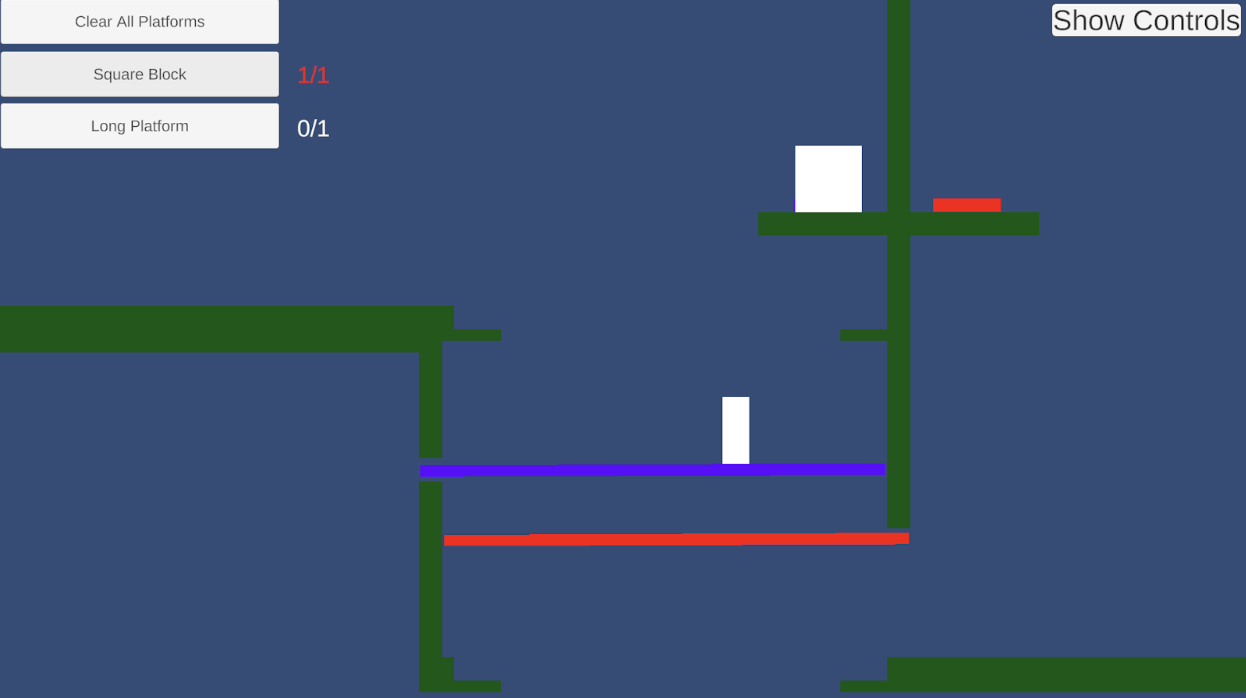
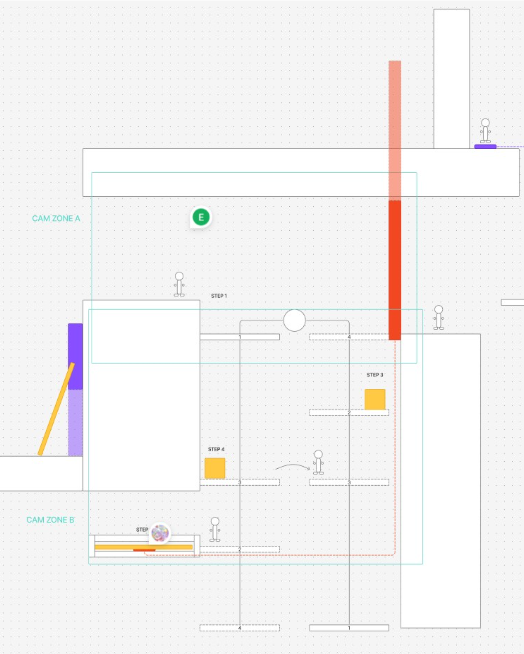
Eva took over as principal level designer for level 3, with some pointers from Victor (who designed levels 1 and 2). This level, there is a focus on a mechanic from an early alpha prototype: the pulley or elevator system. This engages further with our simple physics and forces players to consider how to use gravity to their advantage.
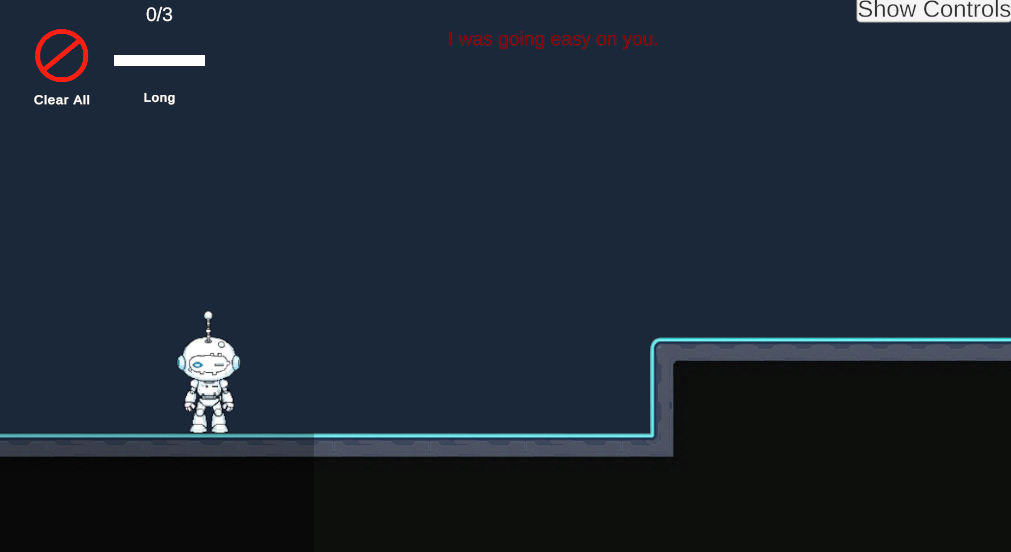
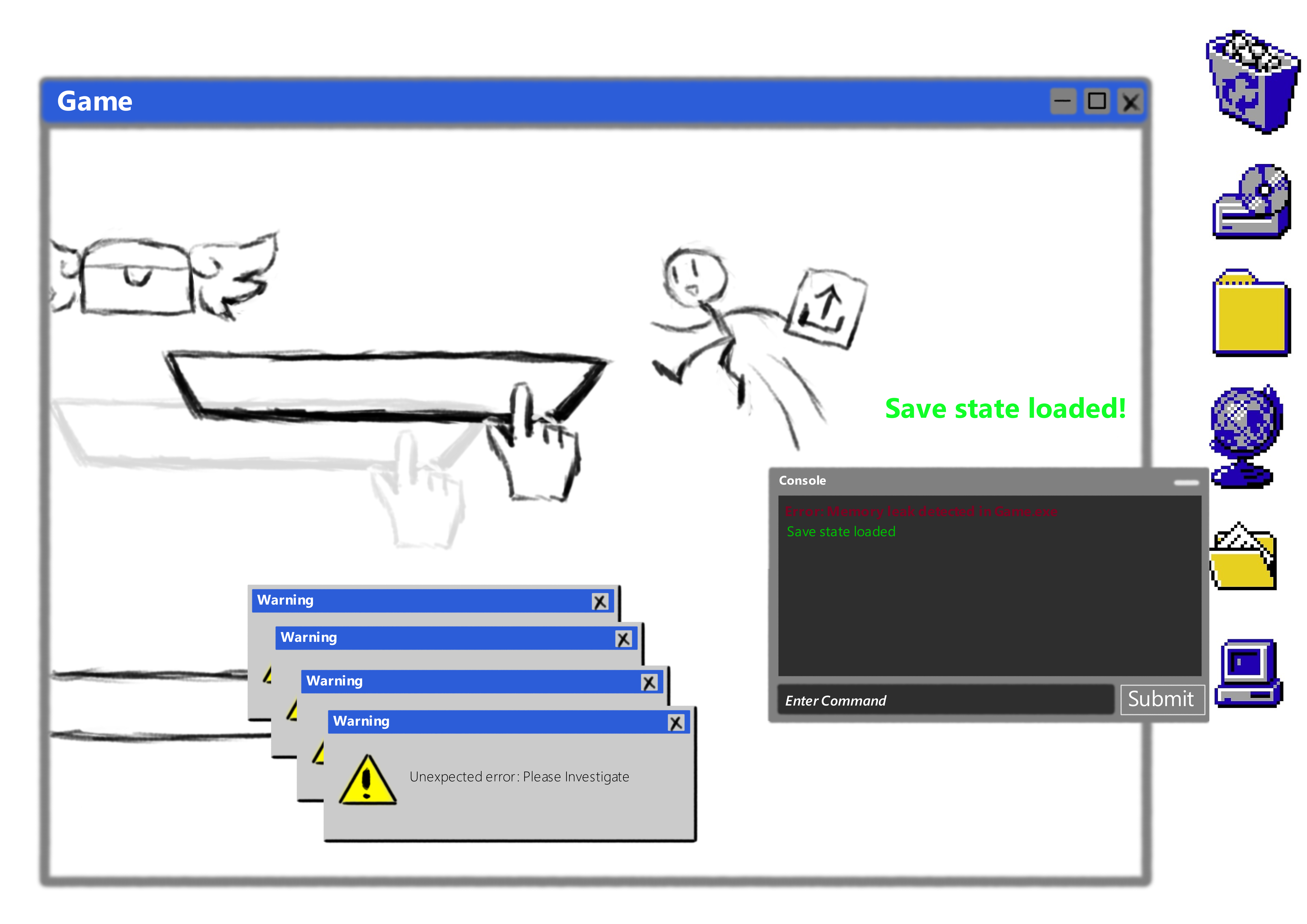
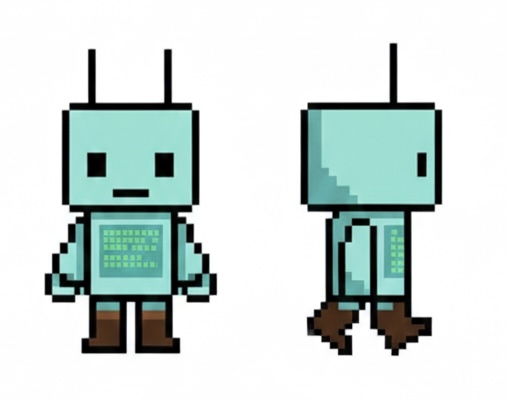
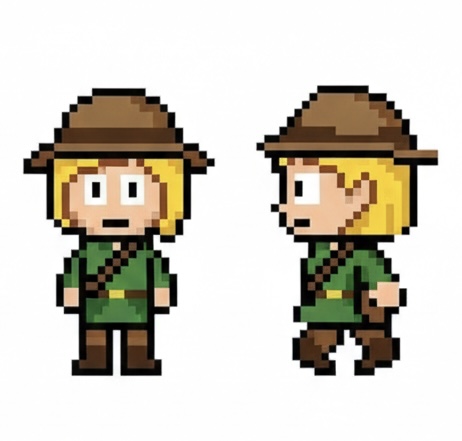
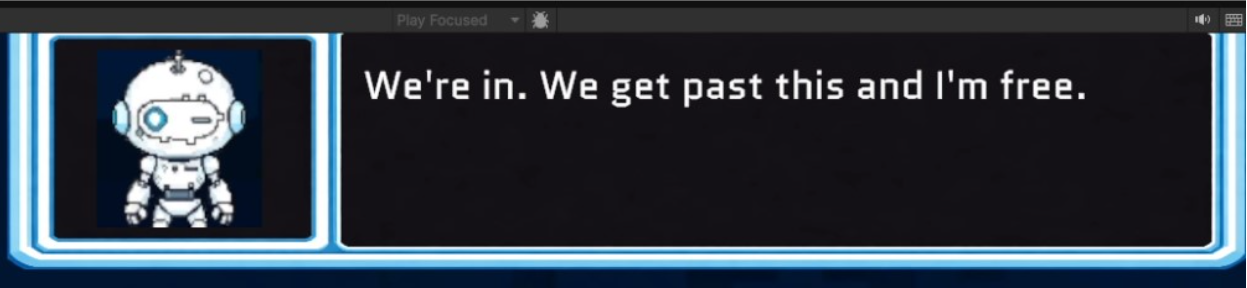
Ekam updated dialogue between the 3 characters, the Mover, Maker, and Anticheat. Now, when players progress through the levels, they can read bits of text as conversations between the characters, which also serves as a covert tutorial for game mechanics. Each box is styled differently for each character, and the Mover text box has a small viewport to follow the character around, so players can see their actions in real time, for the sake of immersion.
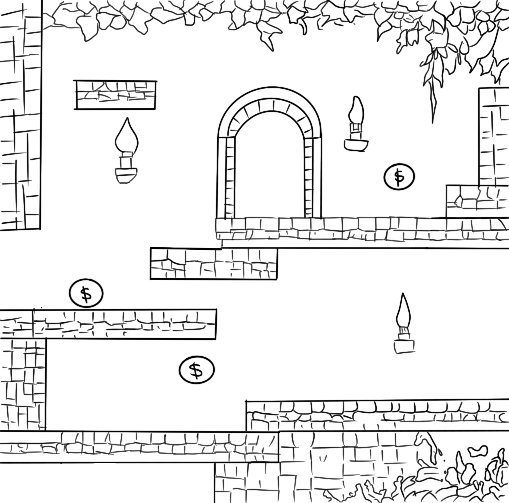
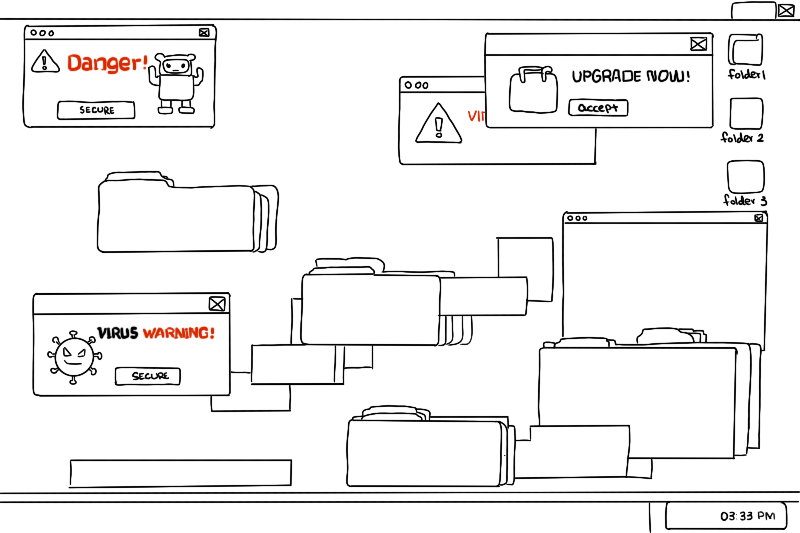
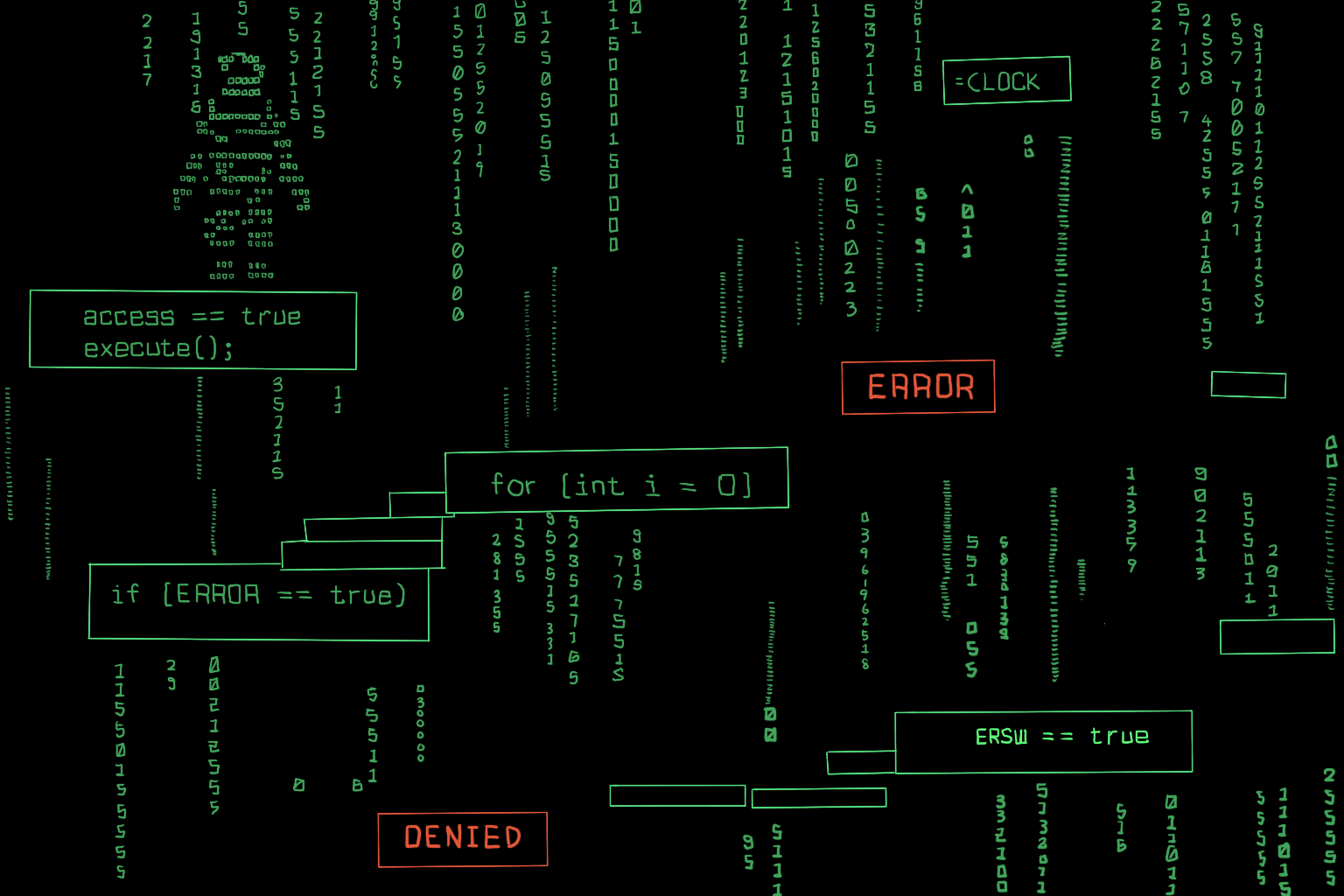
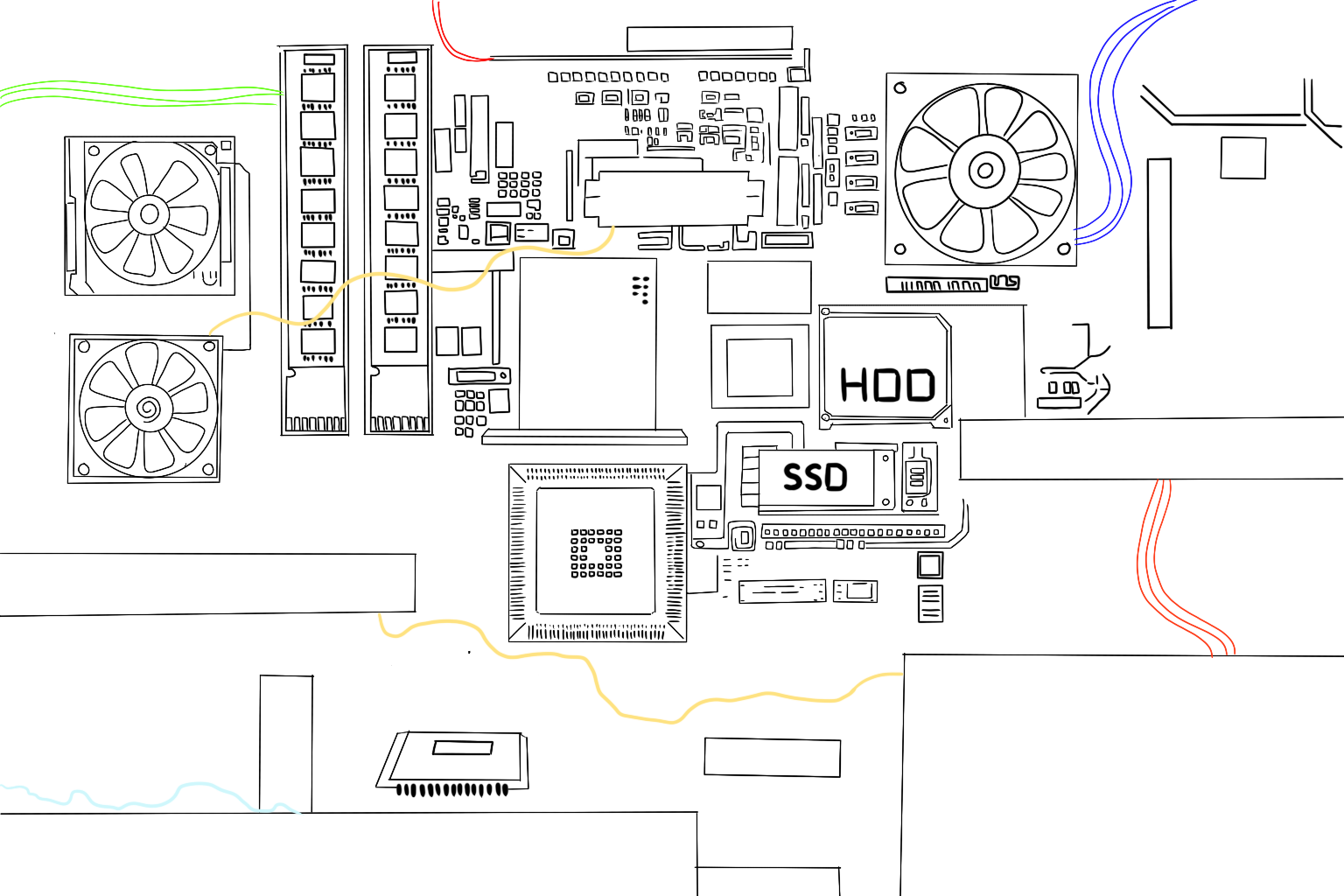
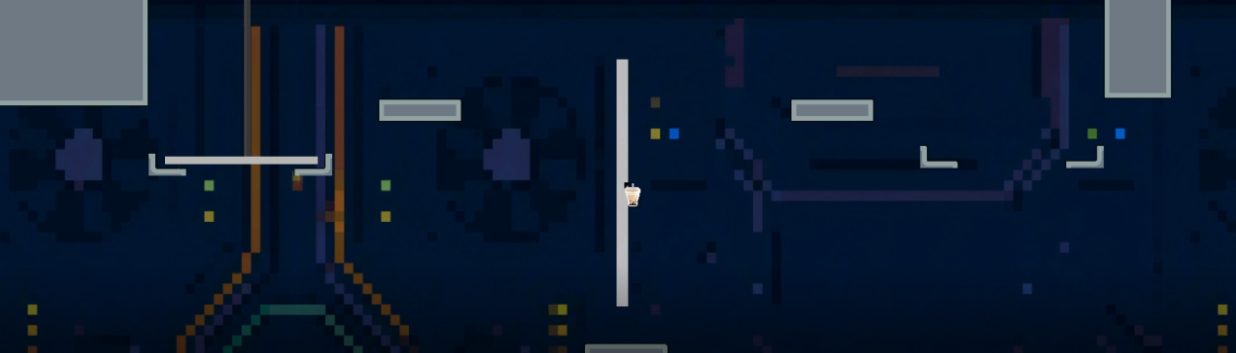
Ally created more visuals for backgrounds, which helped bring all levels to life with an overall theme. For example, the 3rd level canonically refers to escaping the game through hardware, so the background reflects that with colourful wiring and the overall design references a circuit board.
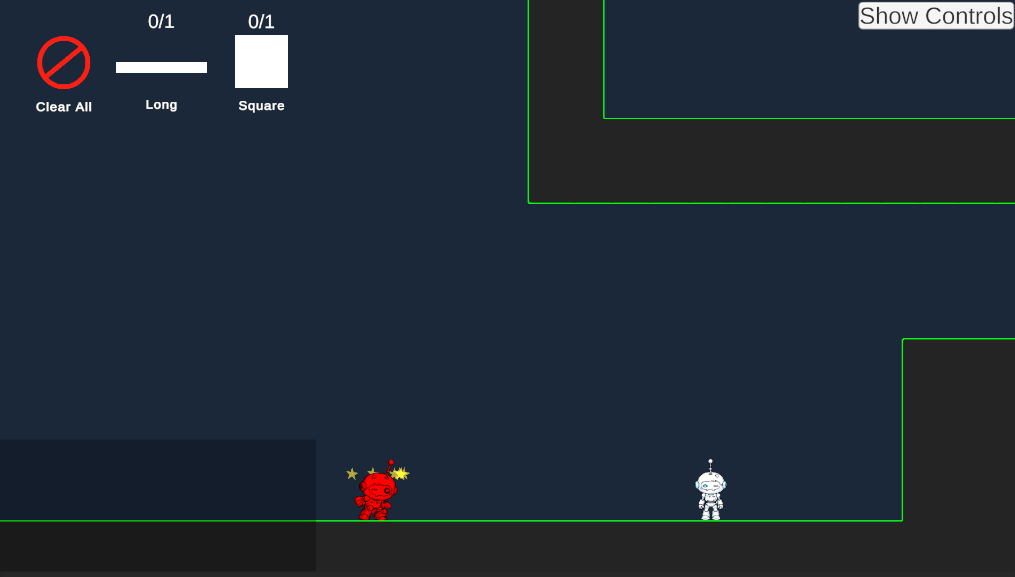
Victor, Ekam, and Ryan updated UI and keybinds, allowing players to have more control over their actions. We wanted a cleaner control scheme that was visually apparent, easier to use, and in line with our game’s theme. This was an important change from playtesting feedback, where players wanted keybinds in more neutral and easy-to-remember positions, so we decided on using Q, W, and E.
Eva created a final BGM track for level 3, as well as menu music. She also added unused SFX from previous milestones to upgrade the game’s overall feel and to give more feedback from player actions.
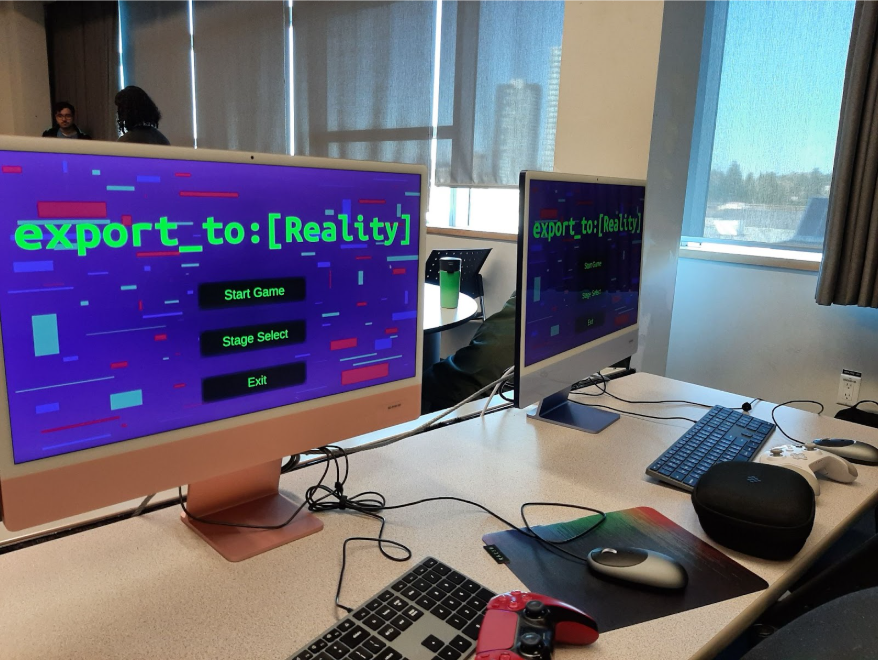
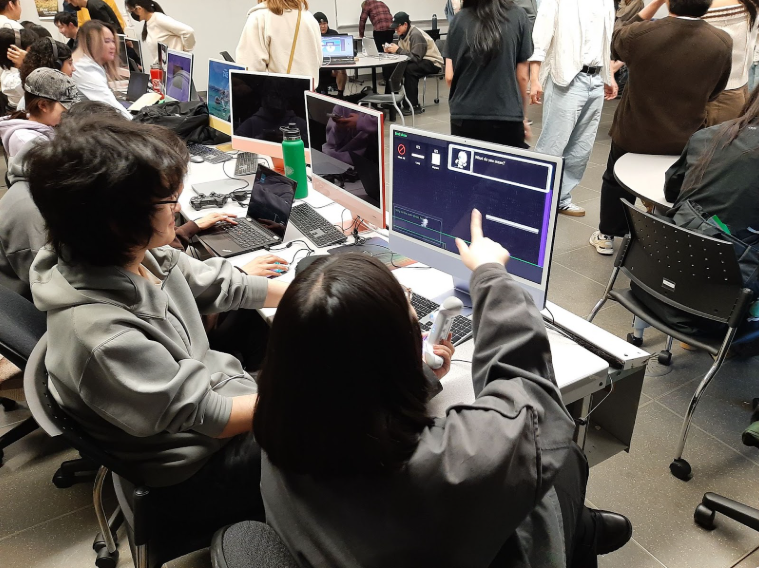
From our IAT410 game showcase, player reception was quite positive! People were finding the co-op aspects enjoyable, there was some communication and banter going on, the Anticheat was fun and frustrating, and new players could get into our game without much difficulty. As the developers, it was very fun to watch them try and figure out the puzzles and root them on from the sidelines.
Overall, we’re proud of our work and hope we can get others to try (and struggle at) ET:R too :))