Orange Goose — Game Site

Ekam's Journal

Milestone 5 — Beta

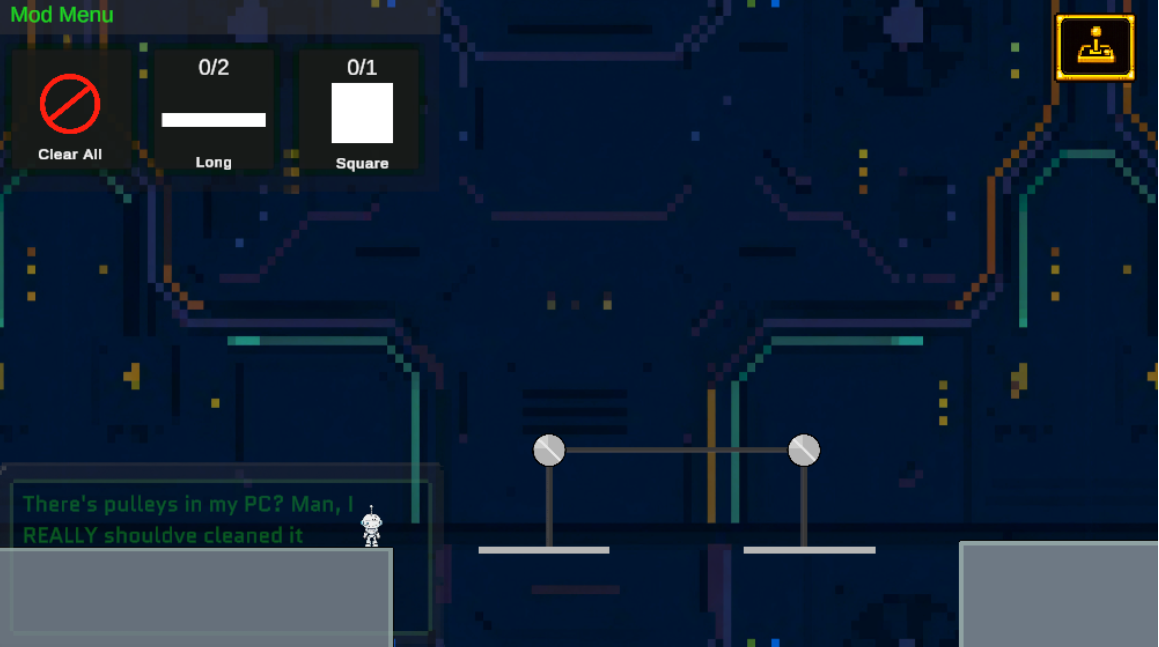
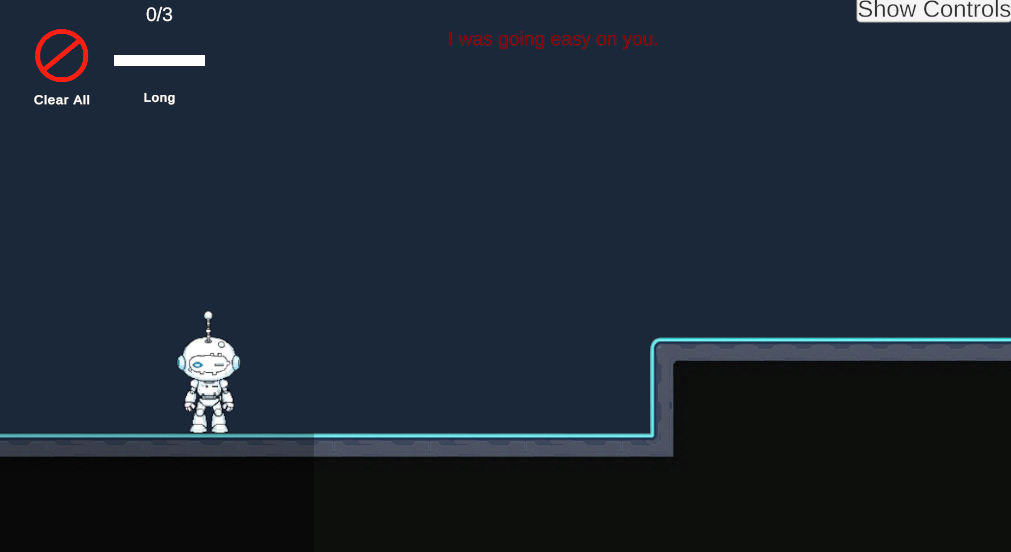
During this milestone, our team focused on developing the Beta version of the game by expanding our content and refining several core systems introduced in earlier iterations. A major accomplishment was the design and creation of the second level, which builds directly on the mechanics established in level one while increasing complexity and encouraging stronger coordination between the Maker and the Mover. The goal was to create a more engaging experience that challenges players to apply what they have learned in new ways, without making the difficulty feel overwhelming or unfair. In parallel with level design, we implemented a new interval-based reward system to improve player engagement throughout gameplay rather than relying solely on end-of-level feedback. We also introduced hotkeys for the Maker’s controls, making interactions faster and more intuitive, and added an anti-cheat stun feature to prevent players from exploiting unintended mechanics and bypassing designed challenges.

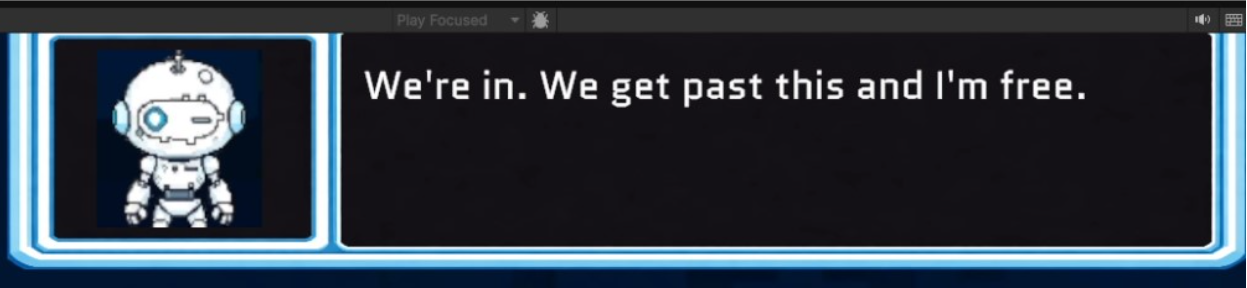
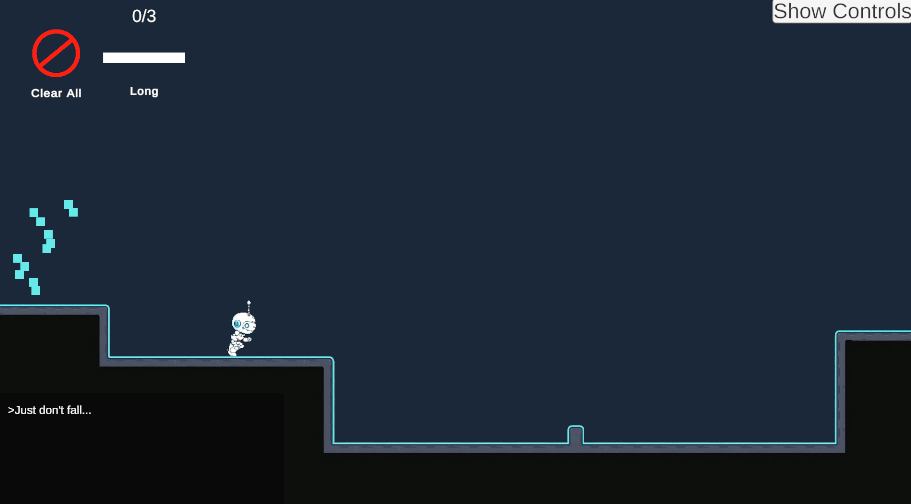
My contributions during this milestone were centered on both design input and system implementation. I helped inform the design of level two by thinking through how the pacing and difficulty should evolve from the first level, as well as how new challenges could be introduced in a way that still feels cohesive with the existing gameplay loop. A key part of my work was designing and implementing the new interval-based reward system. This system delivers variable anti-cheat dialogue at fixed intervals, providing players with consistent feedback as they progress through the level. The intention behind this was to reinforce player actions, maintain engagement, and integrate feedback more naturally into the gameplay experience. By tying the reward system to anti-cheat dialogue, it also supports the broader goal of guiding player behavior without making restrictions feel overly rigid.

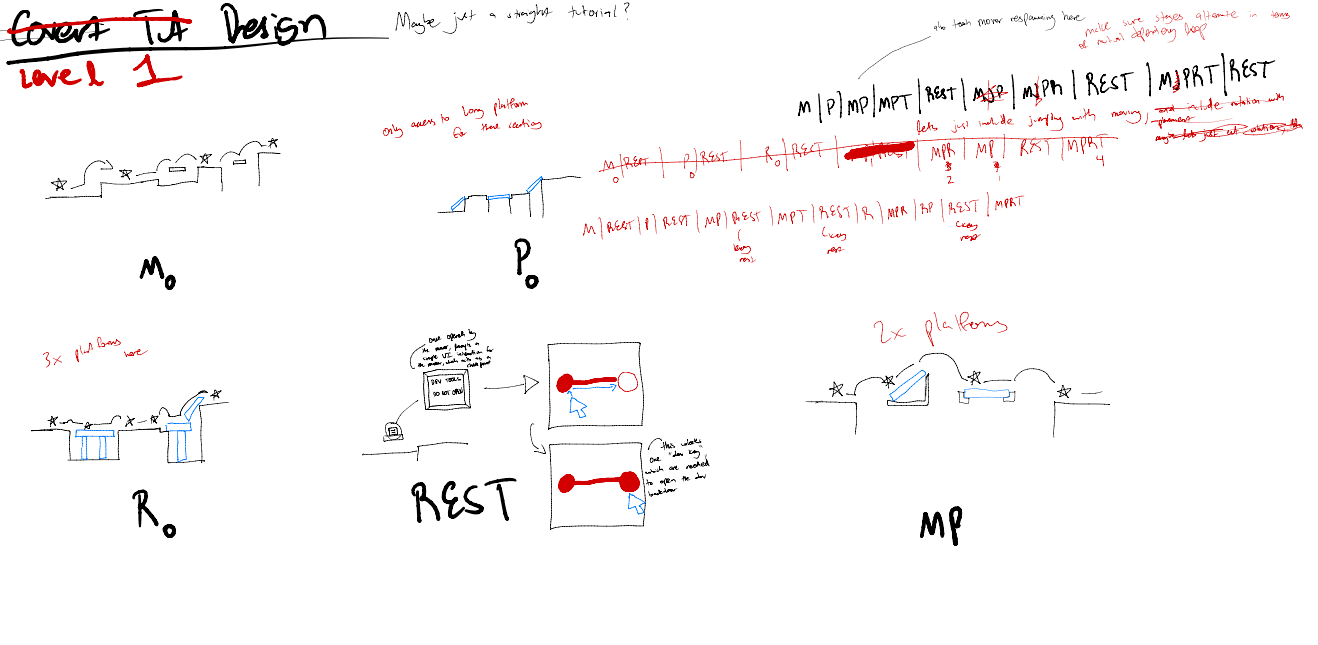
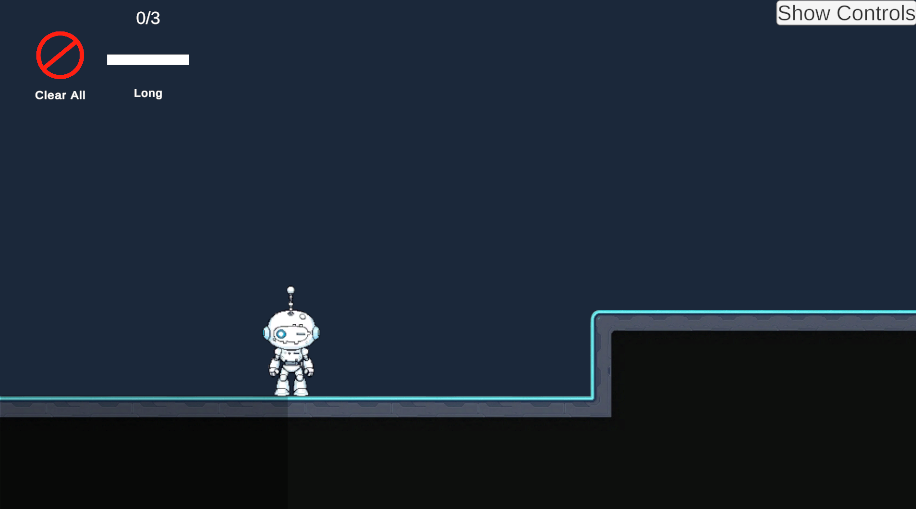
Level design iteration for the second level in the beta build Dialogue system implementation

Reflecting on this milestone, there are still several areas that need further refinement. The UI and level selector, while functional, still require additional polish to feel more cohesive and intuitive. Improving the visual clarity and organization of these elements will be important for creating a smoother player experience. Additionally, dialogue in level two has not yet been fully implemented, and the way it is currently delivered could be improved. Ideally, dialogue should feel more integrated into the gameplay rather than appearing as a separate or disruptive element. Continuing to refine how information is communicated to players, alongside further visual and system polish, will be an important focus moving into the next stage of development.

Milestone 4 — Alpha

Over the course of this milestone, our team made significant progress toward building a more complete version of the game by focusing on the development of a full playable level. Rather than working only on isolated mechanics or small prototypes, this phase allowed us to bring multiple systems together into a cohesive gameplay experience. We iterated on several aspects of the game simultaneously, including level design, feature implementation, audio, animation, textures, and the user interface. The goal was to move beyond a rough prototype and begin shaping the experience into something closer to a structured level that players could meaningfully interact with.

One of the major areas of progress was the development of the first level. Our team worked through several iterations of the level layout, experimenting with how puzzles, combat encounters, and platforming sections could be arranged in a way that gradually introduces mechanics while still maintaining a sense of challenge and engagement. Alongside level design, we continued implementing gameplay features and polishing existing systems so that they functioned more reliably within the level environment. We also incorporated music and sound effects to improve the overall feel of the game and make player actions more satisfying. Visual elements such as animations and textures were further developed to help communicate movement and interaction more clearly. At the same time, improvements to the UI helped make the gameplay systems easier to understand and interact with. Once these elements were in place, we conducted playtesting sessions to observe how players navigated the level and to identify areas that needed improvement.

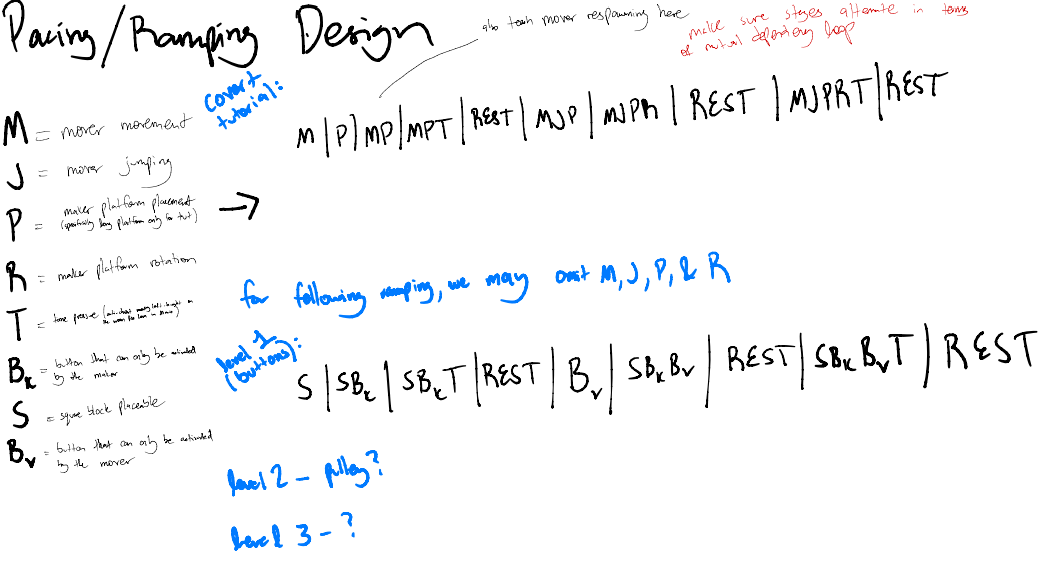
My primary contributions during this milestone focused on refining the core gameplay loop and shaping the structure of the first level. I worked on clarifying how the main gameplay cycle between the Maker and the Mover should unfold and what pacing the level should follow. This involved mapping out how the difficulty should scale throughout the level, how players would be introduced to new mechanics, and how rewards or moments of progress would be spaced to maintain engagement. In addition to planning the structure of the level, I completed a significant portion of the technical development for level one. This included implementing parts of the level layout itself, developing the camera system so that player movement and gameplay spaces are framed appropriately, and merging multiple development branches to keep the project stable as different team members contributed features. I also integrated sound effects and background music into the level and assisted with other elements of the implementation process as needed.

World concept sketch 1 World concept sketch 2 World concept sketch 3 World concept sketch 4

Reflecting on this milestone, there are several areas where the game could still be improved. During feedback sessions, Rick Brown suggested that the Maker’s controls and interface could be made more intuitive. One possible improvement would be introducing keyboard shortcuts or similar interaction methods that make it faster and easier for the Maker to place and manipulate objects in the environment. Additionally, the game world could benefit from more background assets to make the environment feel more visually complete and immersive. Finally, there are some physics-related behaviors that still need refinement. For example, when the Maker stands on certain platforms, the gravity interactions can feel slightly inconsistent or unnatural. Addressing these issues in future iterations will help make the gameplay experience smoother and more polished.

Milestone 3 — Refined Game Development Document

This milestone, our team made solid progress moving from concept into a playable experience. We further developed our core level design ideas by clarifying what kinds of challenges we wanted players to face, and how those challenges should evolve across a level. From there, we implemented these ideas directly in our Unity prototype, turning our early design thinking into real spaces that could be navigated, tested, and iterated on. Alongside the level work, we continued building out core mechanics and features in the prototype, including foundational systems like player respawning, which helped support faster testing and a more complete gameplay loop. Once these pieces were in place, we playtested the prototype and gathered feedback on clarity, pacing, and how the controls and mechanics felt in practice. The feedback gave us a clear direction for what to adjust next, and it reinforced the value of prototyping early since we were able to identify issues that would have been hard to predict on paper.

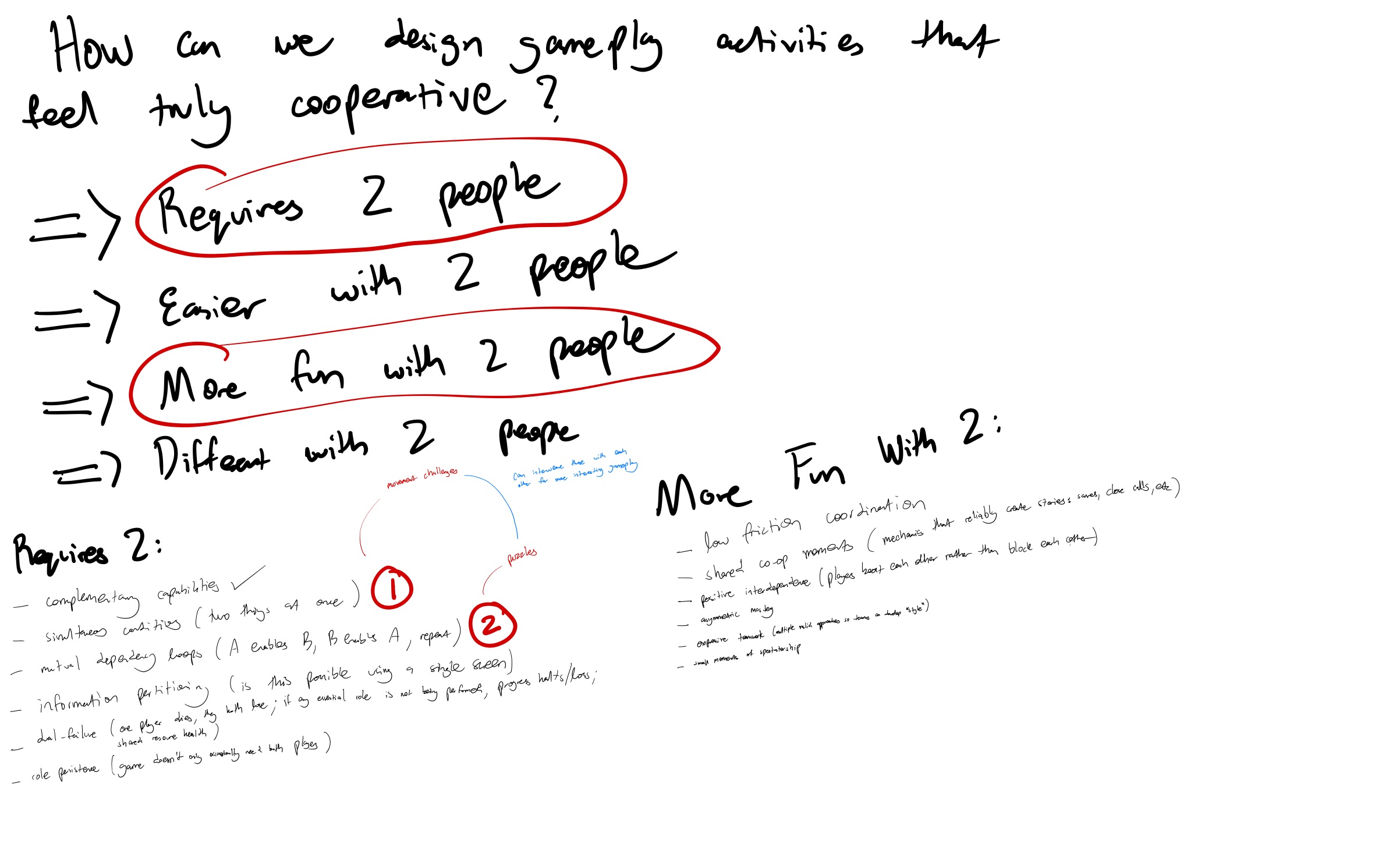
My main contributions during this milestone were split between design direction and implementation. On the design side, I helped our team stay focused on what we want the gameplay to look and feel like moment-to-moment, especially in terms of the core loop and cooperative structure. I suggested using “mutual dependency loops” as a guiding principle, meaning the game should repeatedly create situations where each player’s actions enable the other to progress, rather than one player leading while the other follows. This helped frame our puzzle and encounter design around true interdependence, and Eva created puzzle ideas that reflected this approach. On the development side, I further built out the Unity prototype by implementing the puzzles Eva designed and making them playable. I also added key features that supported both usability and iteration speed, such as a respawn system and UI elements that improve player feedback and make the prototype easier to understand during testing. These include a controls-explanation panel and buttons for the Maker to use for platform placement.

My personal notes where I ideated on the core loop and how to create mutual dependency between the maker and mover roles
Core loop ideation notes
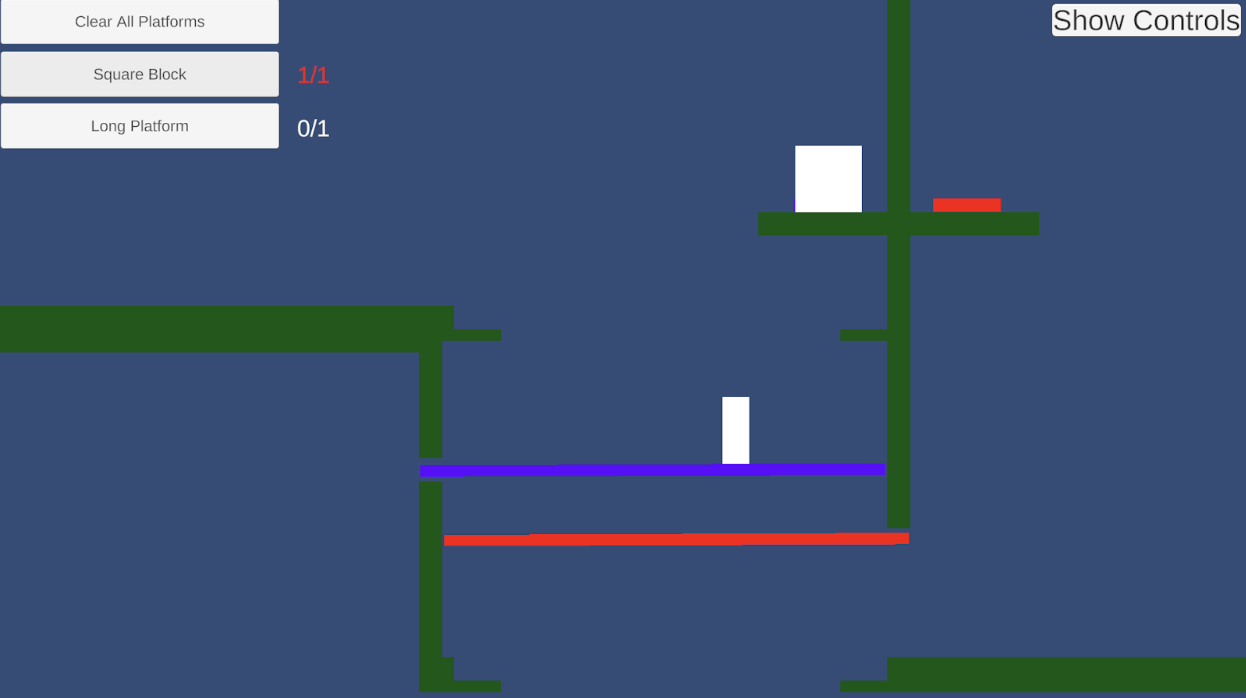
Screenshot of our Unity prototype showing the core loop in action where the maker and mover must work together to get past obstacles
Unity prototype showing the core loop in action

From our playtesting, one standout issue was that the mover’s jump currently feels “floaty,” which affects the sense of control and responsiveness. The good part is that this is straightforward to address in Unity by tuning physics and movement values, such as gravity scaling, fall speed, and jump timing. In the next iteration, we can tighten the jump arc and falling behavior to create a more grounded and satisfying movement feel, then validate the improvement with another quick round of playtesting.

Milestone 2 — Game Development Document V1

This past milestone, our team completed the first version of the game design document and refined the game’s overall flow, including narrative progression and how each level leads players toward uncovering hidden “dev backdoors.” We clarified each player’s core loop and defined the primary gameplay mode, along with key feedback and reward ideas and the game’s resolution pattern. We also designed an initial UI, explored ways to add smart depth, outlined the core loop’s appeal across visceral, behavioral, and reflective layers, iterated on protagonist and antagonist concepts, and produced early concept art focused on the core loop and overall tone.

Over the past milestone, I helped shape the game’s core design by refining the core loops for both the maker and the mover, clarifying each role’s key challenges and actions across traversal, combat support, and puzzle-solving. I also defined our primary gameplay mode, including the shared-screen 2D side-scroller perspective and the asymmetric interaction model where the mover navigates through an avatar while the maker operates multipresently through a mod-style placement interface. To strengthen moment-to-moment play, I ideated specific feedback for player actions, such as the maker’s ghost platform preview, clear placement confirmation through sound and physics response, and a live platform-budget counter that reinforces limits and strategy. For the mover, I emphasized responsive movement and melee feedback through animation and sound, so moment-to-moment actions feel readable and satisfying even when the maker is managing tools and UI. I also proposed a set of rewards aligned with the loop, including competence-based mastery as difficulty ramps, meaningful choice through expanded platform and movement options over time, and narrative progression through discovering dev backdoors and learning more about the rules of the game world as players get closer to escaping.

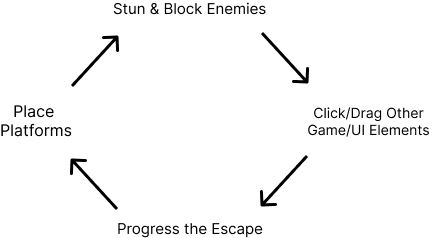
Core loop for the maker role
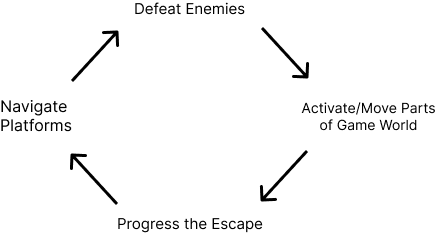
Core loop for the mover role

Finally, I contributed smart depth ideas that add replayability and decision-making without changing the core resolution structure, including special no-gravity platforms for maker-specific puzzle constraints and a time-based star rating system that supports skill expression and advanced play. These additions aim to create optional layers of challenge and optimization for players who enjoy mastery, while keeping the main objective focused and easy to understand.

The main outstanding challenge is that we still need to validate the core loops for both the maker and the mover through hands-on testing, especially to ensure the roles feel equally engaging and the coordination remains clear under pressure. Over the next two weeks, we will focus on building a first playable version and running playtests to confirm the gameplay feels fun, readable, and achievable within the project scope. We also still need to define the visual direction of the game world and the enemy designs. This should be handled soon so we can align level design with a consistent look and feel, but it remains a lower priority than prototyping and playtesting since the project’s success depends more on the strength of the core loop than on detailed art and enemy variety.

Milestone 1 — Project Proposal

For the proposal milestone, our team made solid progress moving from a loose “world manipulation” idea into a clearer co-op concept with defined roles, mechanics, and a cohesive direction. We aligned on an asymmetrical co-op puzzle platformer where the Mover plays inside the world using a controller, while the Maker influences the level from “outside” using mouse and keyboard controls. We also agreed on the broader themes and narrative that tie directly into the gameplay, specifically the idea of escaping the digital world through multiple computer “layers,” which helps justify why one player has a PC-like interface while the other experiences a traditional platformer view. This milestone helped us lock in a stronger identity for the game, including the tone and the retro digital vibe that supports our pitch and player experience.

My main contributions were largely about coordination and clarity. I helped organize team meetings, set up the team Discord, and took on the role of structuring and leading several brainstorming sessions so we could converge faster instead of circling around too many “cool but vague” ideas. I also created our team website so we have a consistent place to share updates and keep our work organized. In the proposal document, I focused heavily on formalizing who we are designing for and why. I wrote out the intended audience details and grounded it using Brain Hex player types and Lazzaro’s fun keys, since our game depends on both communication and problem solving, not just mechanical platforming. I also contributed to defining the game structure and the core loop, including the repeated cycle of the Maker manipulating the level while the Mover navigates, survives hazards, and pushes toward the exit.

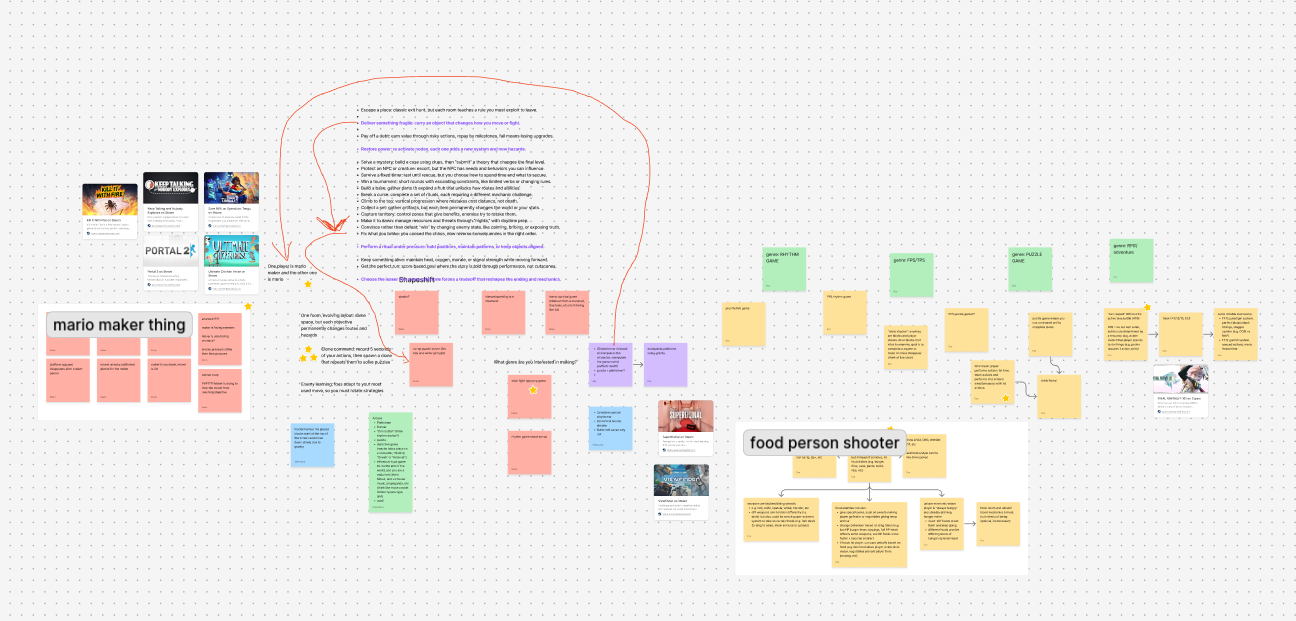
A screenshot of our figma brainstorming session where we discussed ideas for our game. There are various notes and sketches on the whiteboard
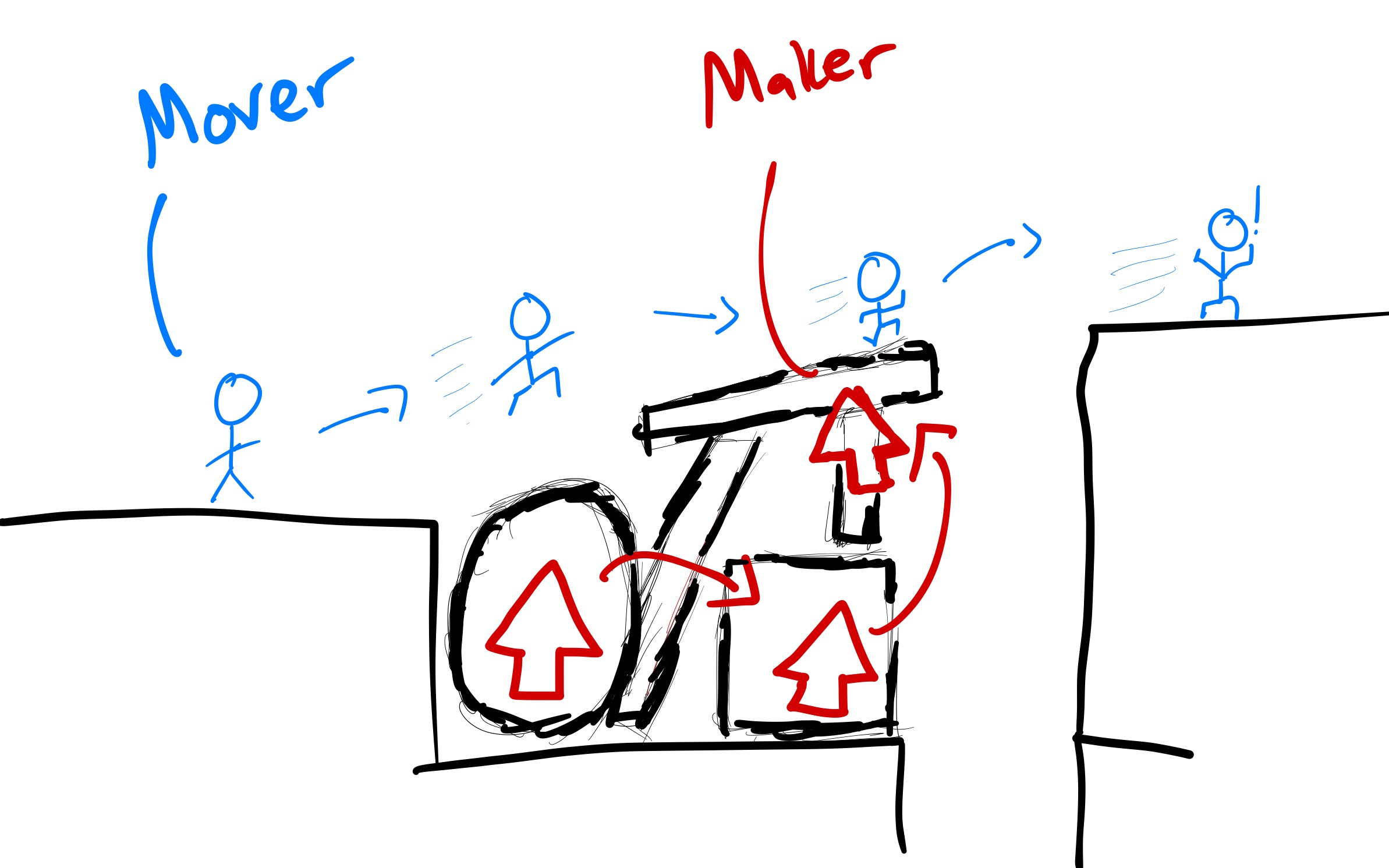
Core loop of puzzle solving diagram
Core loop of puzzle solving
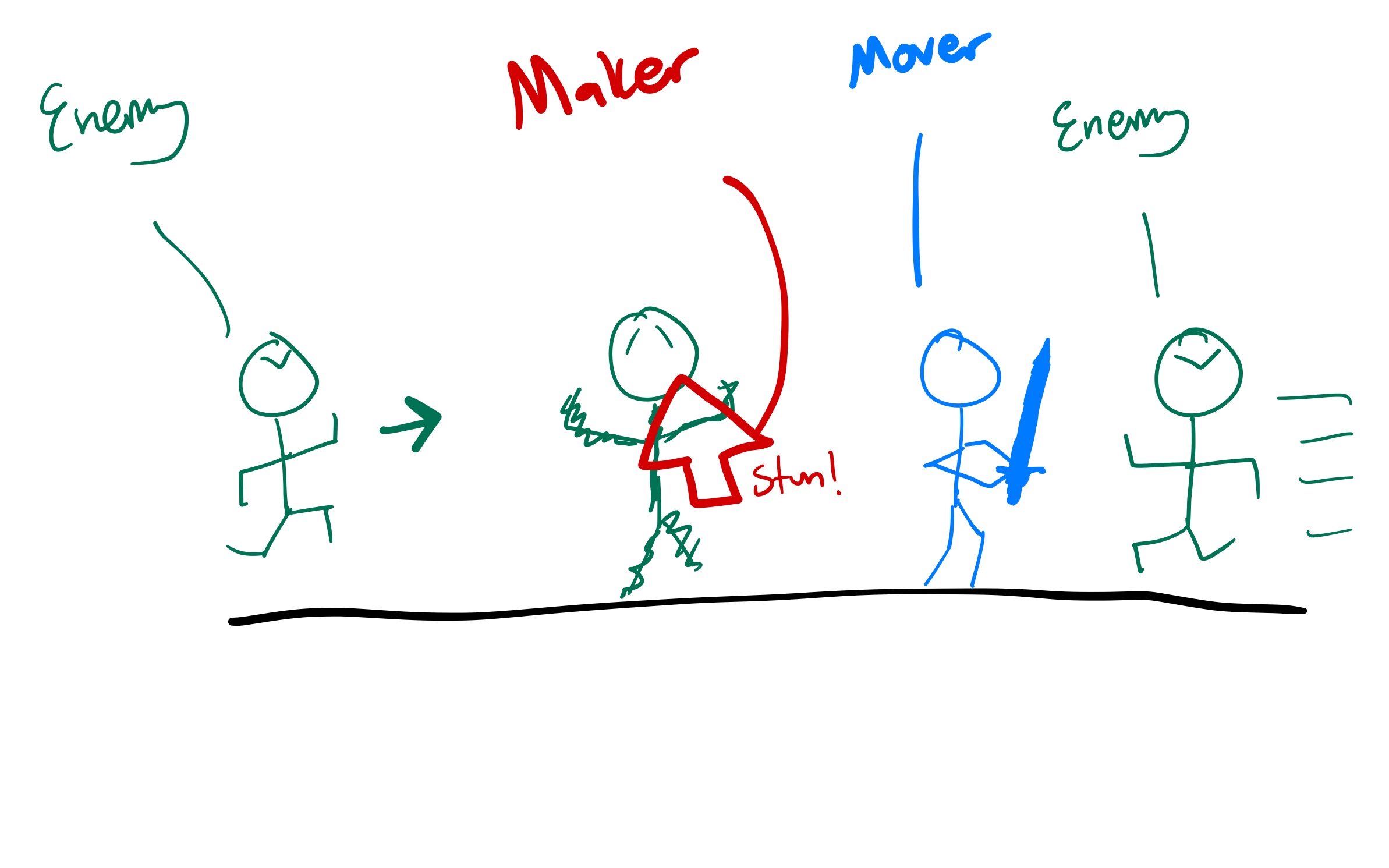
Core loop of combat diagram
Core loop of combat

The biggest issues we identified are about focus and balance. First, we need to nail down a Minimum Viable Product version of the core loop so that we can prototype quickly and prove the concept works before we add extra systems. Second, we need to ensure both roles feel equally fun and equally needed. If one role becomes “the real game” and the other becomes a helper, we lose the point of asymmetrical co-op. Related to that, we also need to think about the single player cheat risk, where one skilled player tries to control both roles, and we should test layouts like split screen versus shared screen to see what naturally encourages cooperation.